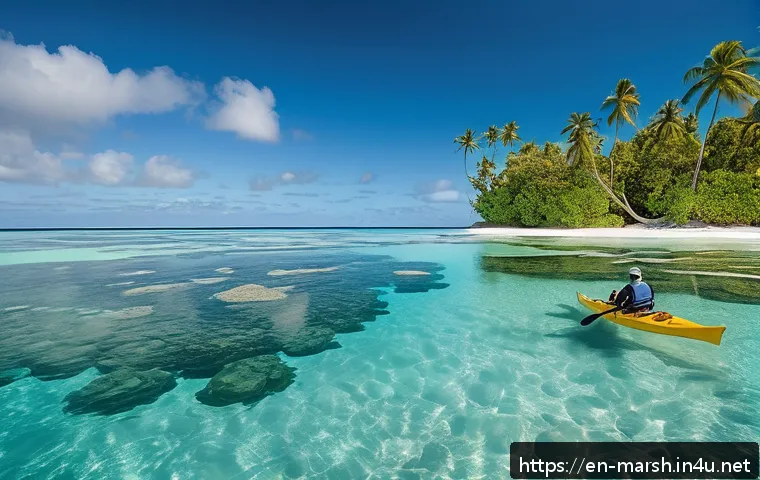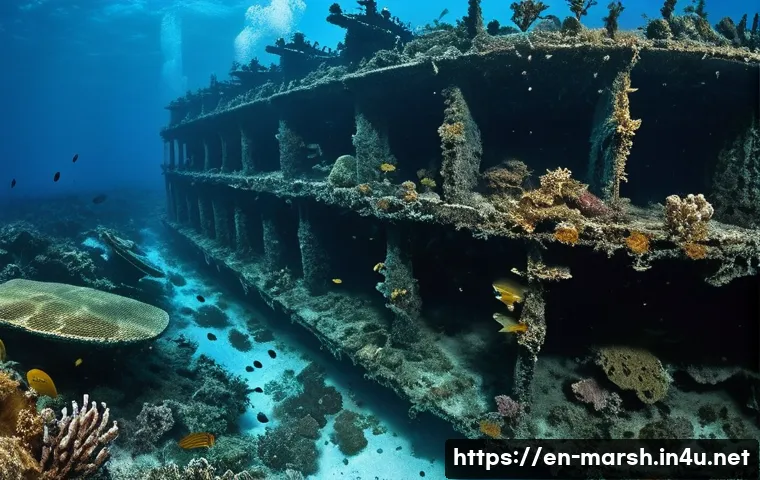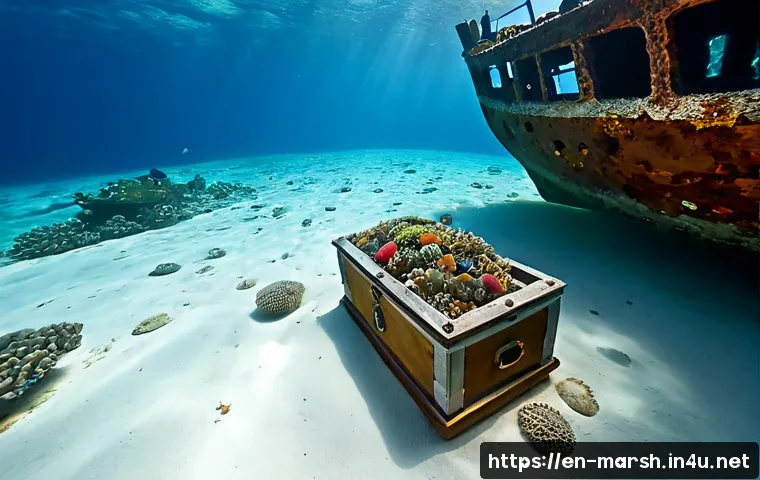
The practical answer is that wreck exploration in the Marshall Islands should be planned around verified access, local guidance, and safety readiness—not claims of underwater “treasure.” Visitors may be able to explore suitable sites through an operator, but access, permissions, conditions, and available services can vary by atoll.
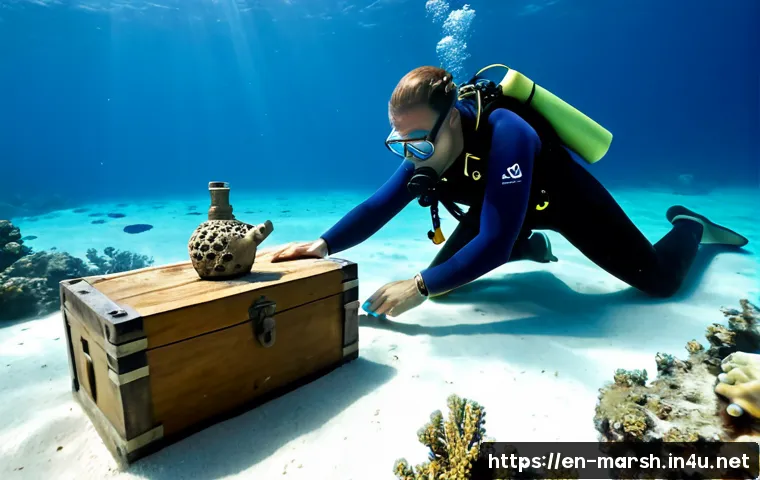
For history travelers and qualified divers, a guided trip is usually easier to assess than an independent expedition because the operator can explain site conditions, boat logistics, and local requirements.
“Treasure discovery” language deserves extra caution when there is no confirmation from relevant authorities, archaeologists, or local institutions. Compare trip formats by what is included, how emergency planning is handled, and whether the experience matches your certification and equipment needs.
Insurance, underwater camera gear, and transport flexibility can matter as much as the dive itself. A responsible visit protects both fragile wreck structures and the surrounding reef.
At a Glance
- Verified access matters more than treasure claims. Conditions, permissions, and site availability may differ by atoll and operator.
- Guided diving is often the clearest option for visitors who need local logistics, safety procedures, and structured site access.
- Do not remove artifacts or disturb wrecks. Underwater cultural heritage may have legal and cultural protections.
| Trip Format | Best For | What to Confirm Before Booking | Value Consideration |
|---|---|---|---|
| Guided day dives | Qualified divers seeking a structured experience | Site access, guide ratio, equipment rental, emergency procedures | Useful when you want a lower-commitment way to assess local conditions |
| Multi-day dive packages | Travelers who want several dives with coordinated logistics | Included dives, accommodation, weather alternatives, cancellation terms | May be easier to evaluate when boats, guides, and scheduling are bundled |
| Private boat charters | Small groups needing timing or itinerary flexibility | Boat capability, crew experience, fuel terms, evacuation planning | Flexibility can be valuable, but the total cost and responsibility may be higher |
| Documentary or research support | Teams with a defined filming or research purpose | Permissions, local coordination, data ownership, equipment support | Specialist assistance should have transparent scope and no promise of discoveries |
What Is Actually Known About Underwater Finds in the Marshall Islands?
The Marshall Islands are a Pacific island nation made up of numerous atolls and islands. That geography creates interest in maritime history, wreck diving, and underwater heritage, but it does not automatically confirm that a particular wreck, artifact field, or “treasure” story is accessible or verified.
Separating documented shipwreck heritage from unverified treasure stories
A useful starting point is to separate three very different ideas: documented maritime heritage, recreational wreck diving, and unverified treasure claims. A documented site may be known through local records, historical research, diving documentation, or institutional work. Recreational diving may involve visiting a site without making any claim about artifacts or hidden valuables.
“Treasure” is different. A dramatic online claim does not establish that objects were found, that they are legally recoverable, or that visitors can see them. Before spending money on an expedition, camera crew, private charter, or specialist guide, ask what source supports the claim and whether relevant local institutions or authorities have confirmed it.
Why location, legal status, and site condition must be confirmed
Even when a wreck is known to exist, the important questions are practical. Is the location appropriate for visitors? Is it protected? Is access currently possible? Has weather, reef growth, structural deterioration, or changing local rules affected the site? These details should be confirmed close to departure rather than assumed from old footage or promotional material.
Do not treat a wreck as an open collection site. Artifacts, wreck materials, and cultural objects should not be disturbed, removed, or commercially traded without verified legal authorization. A responsible operator should be comfortable explaining the difference between viewing heritage and interfering with it.
Start With the Practical Answer: Can Visitors Explore Wreck Sites?
Visitors may be able to explore suitable wreck sites, but the answer depends on the atoll, local permissions, weather, sea state, transportation, and the capability of the operator involved. There is no reliable one-size-fits-all answer for the entire country.
Access depends on atoll, local permissions, weather, and operator capability
Ask an operator for a current explanation of where they can take guests, what level of diver the trip is designed for, and what may change if conditions are unsuitable. A clear answer is more useful than a broad promise of “wreck access.” Good planning includes a fallback activity or alternative dive plan if the original site cannot be reached.
Also confirm whether permits, local permissions, site fees, or other approvals apply. Exact requirements may vary, and travelers should not rely on assumptions drawn from another atoll or another season.
Why independent exploration may not be appropriate for remote sites
Remote marine locations can make independent exploration a poor fit, particularly for travelers unfamiliar with local navigation, sea conditions, communications, or emergency options. A wreck may look close on a map while still requiring capable boat support and careful weather judgment.
For most visitors, local guidance offers a more practical way to understand entry points, boat procedures, reef protection expectations, and site-specific risks. If an operator cannot explain its safety process, emergency communications, or cancellation approach, consider that a reason to pause before booking.
Comparing Guided Dives, Charter Trips, and Research-Focused Expeditions
The right format depends less on the word “expedition” and more on your purpose, experience, group size, and tolerance for changing conditions. Compare what is included rather than comparing headline descriptions alone.
Guided recreational dive trips: best for qualified visitors seeking structured access
Guided day dives or multi-day dive packages can suit qualified visitors who want a defined itinerary and local support. Ask whether the trip includes guides, tanks, weights, boat transfers, equipment rental options, and a site briefing. It is also reasonable to ask how the operator adjusts plans when visibility, current, weather, or access changes.
Certification and recent experience matter. A visitor should not assume that every wreck environment is suitable for every certified diver. Explain your actual experience honestly, including comfort with currents, overhead environments, deeper profiles, or less familiar gear setups where relevant.
Private boat charters: when flexibility may justify a higher budget
A private charter may suit a small group, a photographer with a flexible schedule, or travelers who need more control over timing. However, flexibility does not remove safety or permission requirements. Confirm the charter’s operating limits, crew roles, weather decision process, fuel and transfer terms, and whether the vessel can support the intended activity.
For photography-focused trips, clarify whether the boat can accommodate underwater camera equipment, rinse areas, secure storage, and realistic time for setup. Do not assume a private charter includes dive supervision, safety equipment, or specialized wreck guidance unless those items are specifically stated.
Documentary or research support: questions to ask before paying for specialist services
Documentary researchers and expedition planners should define the scope before paying for specialist support. Ask what the service actually provides: transport coordination, local introductions, filming support, dive logistics, historical context, translation, or permit guidance. Request clarity on what remains the client’s responsibility.
A credible service should not guarantee access to a particular wreck, a discovery, exclusive footage, or evidence of treasure. Research-oriented work requires careful verification, especially when the goal involves cultural heritage, artifacts, or any activity beyond ordinary observation.
Budget, Equipment, and Safety Factors That Affect Trip Value
Travel cost is not limited to the dive itself. A realistic comparison considers flights, local transportation, accommodation, boats, guides, dive gear, camera equipment, meals, and travel or dive insurance. Because schedules and availability can change, obtain current quotes and written inclusions before treating any package as comparable.
Major cost categories: flights, accommodation, boats, guides, gear, and insurance
When comparing a day dive with a multi-day package, look beyond the initial figure. A package may include some logistics that would otherwise be arranged separately, while a lower-priced option may leave key items outside the quote. Ask what happens if weather prevents a planned activity and whether unused services are handled under a stated cancellation policy.
Dive travel insurance should be reviewed for the actual activities planned. Check the policy wording, applicable exclusions, emergency assistance process, and whether the coverage is appropriate for diving and remote travel. Coverage details are policy-specific, so confirmation before purchase is essential.
Dive certification, experience level, redundancy equipment, and emergency planning

Safety planning should be discussed before arrival, not improvised at the dock. Ask about briefings, buddy procedures, communication methods, first-aid resources, oxygen availability where applicable, and the operator’s plan if a participant needs assistance. The goal is not to demand a particular setup from every provider, but to understand whether planning is clear and appropriate for the trip.
Bring or rent gear based on the trip profile and your familiarity with the equipment. If you use specialized items such as an underwater camera system, lights, backup equipment, or exposure protection, confirm whether the operator can reasonably support their transport and use.
When renting equipment is practical and when bringing specialized gear makes sense
Equipment rental can reduce luggage complexity for travelers who need standard gear and prefer not to transport it across multiple flights. Before relying on rental equipment, ask what is available, how sizing is handled, and whether you should reserve in advance.
Bringing personal gear can make sense when fit, familiarity, or specialized photography needs are important. The trade-off is added baggage planning and the possibility that remote destinations may have limited repair or replacement options. Pack carefully, protect camera housings and electronics, and avoid assuming that a last-minute substitute will be available.
Responsible Exploration: Permits, Artifact Protection, and Common Mistakes
Underwater heritage is not simply a backdrop for a dive. Wrecks may hold historical, cultural, environmental, or legal significance. Responsible visitors observe without taking, damaging, or rearranging what they find.
Do not assume that a wreck is open for collecting or salvage
Finding an object underwater does not create a right to keep it. The legal status of a wreck or artifact can be complex, and it must be verified through appropriate local channels. Do not buy, sell, remove, or transport objects presented as recovered heritage without confirmed authorization.
Avoid operators that promise guaranteed “treasure” discoveries
Be cautious with marketing that promises guaranteed treasure, exclusive finds, secret locations, or certain access to a historic site. Marine conditions change, permissions may change, and a responsible provider should communicate uncertainty honestly. A more trustworthy discussion focuses on the planned experience, safety standards, local knowledge, and conservation behavior.
Protect reefs, wreck structures, and local cultural heritage
Maintain buoyancy control, avoid contact with coral and wreck surfaces, and follow the guide’s instructions. Do not force entry into fragile spaces, move objects for photographs, or leave equipment hanging where it can damage reef or structure. Underwater camera equipment should support observation, not encourage intrusive behavior.
Selection Criteria and Comparison Summary
Before choosing a Marshall Islands wreck-diving or heritage-focused trip, check these decision points:
- Current access: Can the operator confirm the intended area, likely alternatives, and any local permission process?
- Safety planning: Are briefing procedures, boat capability, communications, and emergency arrangements explained clearly?
- Operator credentials: Can the provider explain its local operating authorization, staff experience, and limits of service?
- Insurance fit: Does your travel or dive policy match the activities and remote-travel circumstances you are considering?
- Equipment support: Is rental gear available if needed, and can specialized underwater camera equipment be accommodated?
- Transparent terms: Are inclusions, exclusions, weather changes, and cancellation policies written clearly?
For final comparisons, review the operator’s official trip details and insurance policy conditions directly before booking.
Final Thoughts
A meaningful wreck-focused visit does not depend on a treasure story. It depends on verified information, practical preparation, and respect for the people and places connected to underwater heritage. Choose an experience that matches your training, budget, and comfort with changing conditions. If a claim cannot be verified, treat it as a reason to ask better questions rather than a reason to take greater risks.
Useful Information
1. Keep digital and printed copies of booking terms, insurance details, certifications, and emergency contacts.
2. Ask about current transport schedules and sea conditions close to departure, since they can affect the itinerary.
3. A flexible schedule can be more valuable than an ambitious site list when weather or access changes.
4. Photograph responsibly and leave wrecks, artifacts, reef life, and cultural materials in place.
Important Notes
Specific wreck availability, artifact claims, permit requirements, site fees, operator capacity, travel prices, weather, safety advisories, and transport schedules require current confirmation. This guide does not verify any particular “treasure” discovery or establish that a specific site is open, protected, or appropriate for visitors. Check directly with relevant local authorities, institutions, and service providers before making travel or expedition commitments.
Frequently Asked Questions
Q1. Can tourists look for underwater treasure in the Marshall Islands?
A1. Visitors should not assume that treasure hunting, collecting, salvage, or artifact removal is allowed. Any activity involving underwater cultural heritage requires verified legal authorization and local confirmation.
Q2. Are shipwreck dives available throughout the Marshall Islands?
A2. Availability can vary by atoll, marine conditions, local rules, operator capability, and transportation. Confirm current access with a suitable local provider before planning around a specific site.
Q3. What should I ask a dive operator before booking?
A3. Ask about site suitability, your certification requirements, guide support, boat procedures, equipment rental, emergency planning, weather alternatives, inclusions, and cancellation terms.
Q4. Is travel insurance enough for a wreck-diving trip?
A4. It depends on the policy. Review whether it applies to the diving activities and remote-travel circumstances you expect, along with exclusions and emergency-assistance terms.
Q5. Should I bring my own underwater camera equipment?
A5. Bring it if familiarity and specialized use are important, but confirm baggage planning, secure storage, and practical boat support. Rental equipment may be simpler for travelers who only need standard dive gear.