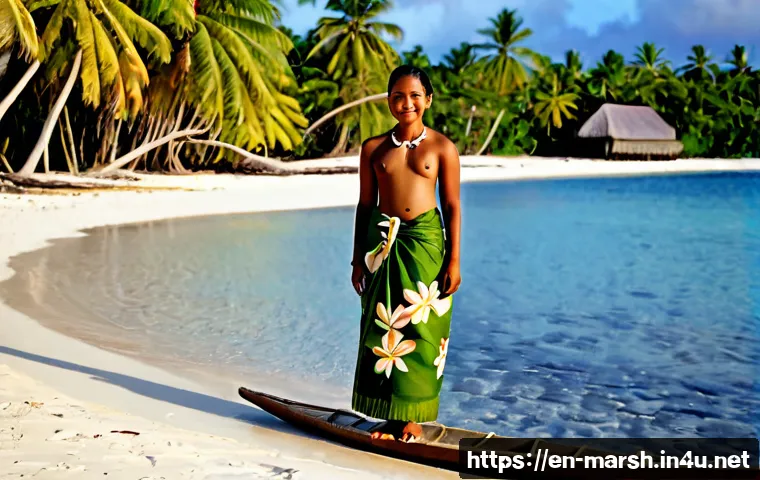
For most visitors, the respectful choice is lightweight, breathable clothing with modest coverage, rather than a ceremonial or dance-style outfit. If you want a Marshallese-inspired item, a locally made wrap or woven accessory may be suitable, but ask about its intended use before wearing it at an event.
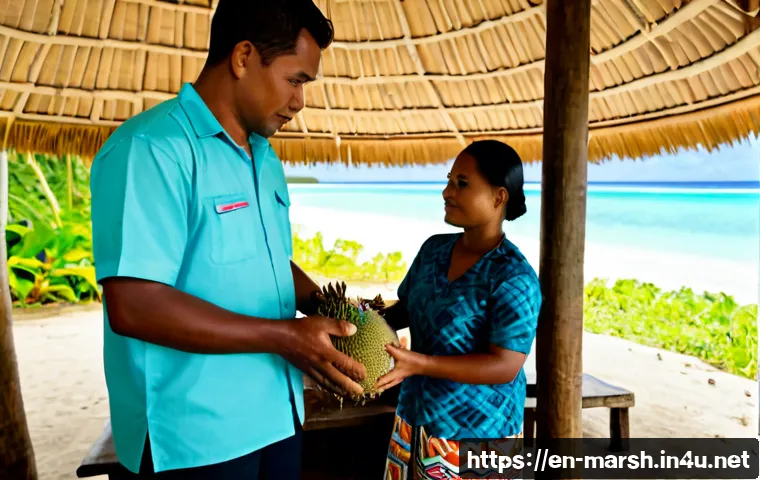
Modern daily clothing is often Western-style and practical for a hot, humid island climate. Traditional materials, hand weaving, flowers, shells, and decorative details may appear in cultural dress or special-occasion wear.
The best purchase depends on where you will wear it, who made it, and whether the item has cultural or performance-specific meaning. A careful comparison of materials, maker information, custom sizing, shipping, and care needs helps you choose with respect.
At a Glance
- For travel: Choose breathable, modest, practical clothing suitable for hot and humid conditions.
- For community settings: More coverage is generally a thoughtful choice for villages, churches, and formal occasions.
- For handmade items: Ask the maker or event host whether a woven accessory, wrap, or decorative piece is appropriate for visitors.
| Clothing Category | Typical Purpose | Possible Materials | Questions for Buyers | Visitor Suitability |
|---|---|---|---|---|
| Everyday tropical clothing | Travel, daily errands, casual outings | Lightweight modern fabrics | Is it breathable, comfortable, and modest enough for public spaces? | Usually suitable when coverage is practical and respectful |
| Formal or community-event clothing | Church, school events, celebrations, village visits | Modern garments, wraps, or coordinated clothing | What does the host expect? Is additional coverage needed? | Suitable when chosen with the event dress code in mind |
| Handmade cultural items | Craft appreciation, gifts, selected cultural use | Pandanus and other natural materials, shells, flowers, handmade details | Who made it, what is its context, and how should it be used or cared for? | Depends on maker guidance and the specific item |
| Performance or ceremonial wear | Dance, ceremonies, cultural presentations | Woven plant materials and decorative elements | Is this specifically made for performers or a cultural role? | Do not assume it is appropriate for visitor wear |
What Marshallese Clothing Looks Like Today
Everyday clothing in a tropical island setting
The Republic of the Marshall Islands is a Pacific nation of coral atolls and islands, where the climate makes lightweight, comfortable clothing a practical everyday choice. Modern daily dress commonly includes Western-style clothing adapted for heat and humidity. For a visitor, this does not require a themed “island costume.” A simple breathable shirt, blouse, dress, skirt, trousers, or other practical clothing can be a better starting point than trying to recreate a traditional look without context.
Why modest coverage matters in public and community spaces
Modesty matters in many public and community settings. This is especially relevant when visiting villages, attending church, going to a school event, or joining a formal gathering. Clothing that works at a swimming area may not be the best fit elsewhere. When unsure, choose more coverage and let the event host’s guidance lead the decision.
The quick answer for visitors: breathable, modest, and practical
The simplest travel clothing formula is breathable fabric, comfortable movement, and modest coverage. Consider bringing layers or an easy cover-up for transitions between swimming areas and public places. If you are packing for a community visit or cultural event, prioritize clothing that looks neat and does not draw attention away from the occasion.
Traditional Materials, Weaving, and Cultural Details
Natural-fiber weaving and handmade island crafts
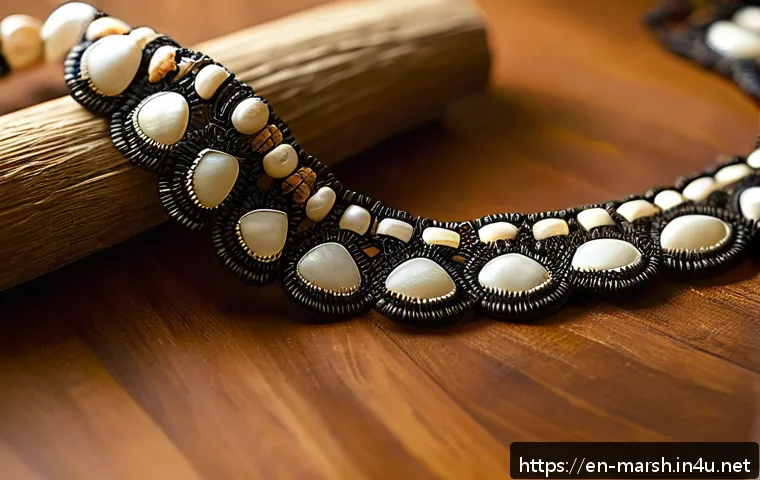
Weaving is an important cultural skill in the Marshall Islands. Pandanus and other natural materials are used in traditional crafts, and a handmade woven piece can reflect significant time, knowledge, and workmanship. A woven accessory is not automatically just a fashion item, however. Before buying, ask about the maker identity, materials, construction, and intended use.
Flowers, shells, and decorative elements for special occasions
Marshallese cultural dress and performance wear may include flowers, shells, woven plant materials, and other handmade decorative elements. These details can be visually striking, but their presence does not mean every item is designed for casual visitor use. Some pieces may be connected to a performance, celebration, school activity, or community event. Treat decorative work as cultural craft first, not as a generic tropical accessory.
Why clothing details can have context beyond fashion
A pattern, woven form, accessory, or costume-like piece may have a context that is not obvious to an outside buyer. It is wise not to assign a name or ceremonial role to a garment unless a Marshallese maker, cultural organization, or event host confirms it. Respectful shopping begins with a simple question: What is this item made for, and who is it appropriate for?
Everyday Wear, Formal Dress, and Performance Costumes Compared
Clothing choices for travel, church, and community events
For ordinary travel, practical tropical clothing is generally the most useful choice. For church, village visits, school programs, memorial events, and community celebrations, select a more modest and polished outfit. A host may have preferences that are specific to the setting, so it is better to ask than to rely on broad assumptions about Pacific Island dress.
When a wrap garment or woven accessory may be suitable
Wrap-style cloth garments, often described regionally as lavalava or by similar terms, are recognized across Pacific Island communities. Local usage and styling can vary, so visitors should avoid assuming that one regional label explains every local practice. A wrap or woven accessory may be a thoughtful choice when it comes with clear maker information and guidance on how it may be worn. For a custom garment, confirm the intended setting, fit, coverage, and care requirements before ordering.
Why dance and ceremonial outfits should not be treated as costumes
Dance and ceremonial clothing can be made for a specific performance or cultural role. Purchasing or wearing an item simply because it looks dramatic can remove it from its original context. For event organizers and educators, a plain travel-appropriate outfit plus a properly sourced handmade object for display may be more respectful than asking people to wear performance-style clothing.
How to Buy or Commission Cultural Clothing Respectfully
Questions to ask about the maker, materials, and intended use
Before choosing artisan-made clothing or a woven cultural item, ask clear, practical questions. Who made it? What materials were used? Is it intended for everyday wear, a formal event, display, or performance? Is it appropriate for a visitor? These questions also help distinguish a meaningful handmade item from a vague “Pacific-style” listing with little cultural information.
Comparing handmade items with mass-produced “island-style” apparel
Mass-produced island-style apparel may be easy to find, but it may not identify its origin, maker, or cultural context. A handmade item may offer more direct information about workmanship and materials, especially when purchased from a maker or seller who can explain it. That does not mean every handmade item is suitable for every situation. Transparency matters more than a decorative label.
Budget factors: workmanship, shipping, custom sizing, and care needs
There is no single price rule for handmade Marshallese clothing or woven crafts. Cost can depend on workmanship, materials, origin, shipping expectations, custom sizing, and care needs. If ordering from a distance, review return policies and shipping details before committing. For custom garments, confirm measurements, production expectations, and whether the materials need special handling.
Visitor Mistakes to Avoid When Dressing for the Marshall Islands
Avoiding overly revealing beachwear away from resort or swimming areas
Beachwear is best kept for swimming areas and similar settings. When moving through public places or attending community activities, change into clothing with more coverage. This small adjustment shows awareness of local modesty expectations and makes it easier to participate comfortably.
Not assuming all Pacific Island styles are interchangeable
Pacific Island communities have their own histories, languages, materials, and clothing practices. A regional term can be useful for general discussion, but it should not replace local knowledge. Avoid presenting an item as specifically Marshallese unless its maker, source, or cultural organization confirms that connection.
Asking an event host when the dress code is unclear
If you are invited to a church service, school activity, village gathering, memorial, private celebration, or cultural performance, ask the host what to wear. A short question can prevent an awkward choice. It is also the best way to learn whether a wrap, flower accessory, or woven item is welcome for that particular occasion.
Choosing a Respectful Marshallese-Inspired Item: A Decision Summary
Best choices for travelers
Travelers usually do best with modest lightweight clothing that can be worn across ordinary public settings. If adding a cultural item, consider a locally made wrap or woven accessory only after checking its purpose and visitor appropriateness. Choose comfort and practical coverage first; cultural purchases should be made with context, not urgency.
Best choices for cultural presentations and educational settings
For classrooms, museums, and cultural presentations, prioritize accurate sourcing. A handmade object with maker information and cultural context can support learning better than a generic costume. If clothing is needed for a presentation, consult a Marshallese cultural source, maker, or event host rather than guessing about names, styles, or ceremonial roles.
A final checklist before purchasing or wearing an item
Check who made the item, what it is made from, whether it has a stated purpose, and whether it is intended for visitors. Compare artisan-made items with practical travel clothing based on where you will wear them. For custom sizing, verify measurements, construction details, care needs, return policies, and shipping expectations. Review the maker’s product details or seller conditions before placing an order.
Closing Thoughts
Marshallese clothing is best approached with practicality and respect. Everyday travel clothing does not need to imitate ceremonial dress to be appropriate. Choose modest, breathable garments for public settings, and seek guidance when considering handmade woven accessories or culturally specific attire. A careful question to a maker or host is often more valuable than a confident assumption.
Useful Things to Know
1. Modern daily clothing and cultural performance wear are not the same category.
2. Pandanus and other natural materials may be used in Marshallese weaving traditions.
3. Flowers, shells, and woven details may be connected to special occasions or performances.
4. Event-specific dress expectations should be confirmed with the host.
Important Notes
The exact Marshallese name, design, and ceremonial role of a specific garment should be confirmed by a Marshallese maker, cultural organization, or event host. Availability, authenticity claims, prices, shipping options, and suitability for visitors can vary by seller and item. Do not assume that a woven piece, accessory, pattern, or dance costume is appropriate simply because it is offered for sale.
Frequently Asked Questions
Q1. What should visitors wear in the Marshall Islands?
A1. Visitors can generally choose lightweight Western-style clothing that is comfortable in a hot, humid climate and provides modest coverage in public and community settings. For churches, villages, schools, or formal events, ask the host if a particular level of coverage or dress is expected.
Q2. Can tourists buy traditional Marshallese clothing or woven accessories?
A2. Tourists may find handmade cultural items, wraps, or woven accessories, but suitability depends on the specific piece. Ask who made it, what materials were used, what it was designed for, and whether it is appropriate for visitor wear or use.
Q3. How can I tell whether a Pacific Island garment is appropriate for a cultural event?
A3. Do not rely only on product photos or broad regional labels. Ask the event host, maker, or a relevant cultural organization whether the garment is suitable. This is especially important for dance wear, ceremonial-looking clothing, and heavily decorated woven pieces.
Q4. Are handmade Marshallese clothing and woven items more expensive than standard resort wear?
A4. Costs can vary substantially based on materials, workmanship, origin, shipping, custom sizing, and care needs. Rather than assuming a price level, compare item details, maker information, return conditions, and delivery expectations before buying.