Hey fellow adventurers! Have you ever dreamed of uncovering lost worlds, where history whispers from the deep blue? My latest dive adventure took me to the breathtaking Marshall Islands, a place where the ocean guards incredible secrets and untold stories.
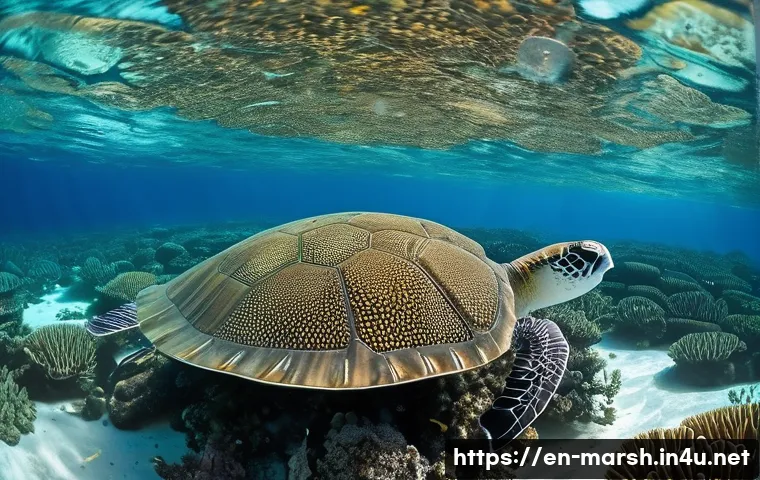
Imagine gliding past vibrant coral and schools of colorful fish, only to discover the ghostly silhouettes of forgotten relics from pivotal moments in history, frozen in time beneath the waves.
It’s more than just a dive; it’s a profound journey into the past, an almost surreal experience that truly touches your soul, and I’ve personally felt the incredible weight and wonder of history down there.
From my own experience, exploring these sunken marvels is unlike anything you’ve ever imagined. Stick around, because we’re about to unveil the full story of exploring these mesmerizing underwater ruins and what hidden treasures they hold!
Beneath the Waves: A Journey Through Time
The Ghost Fleet’s Eerie Embrace at Bikini Atoll
Diving into the waters of Bikini Atoll is like stepping into a time machine, transporting you back to a pivotal moment in human history. This UNESCO World Heritage site isn’t just a collection of shipwrecks; it’s the legendary “Ghost Fleet,” a chilling reminder of Operation Crossroads, the post-WWII nuclear weapon tests conducted by the United States.
I remember my first descent here, feeling an almost reverent hush fall over me as the ghostly silhouettes of battleships and aircraft carriers slowly emerged from the blue.
The sheer scale of these vessels, like the colossal USS Saratoga, an 888-foot aircraft carrier resting upright at depths of 59 to 164 feet, is truly mind-boggling.
It’s one of only three diveable aircraft carrier wrecks in the entire world, and let me tell you, she’s a diva of the deep, demanding multiple dives just to scratch the surface of her vastness.
You’ll find planes, bombs, and military equipment scattered throughout her superstructure, alongside everyday items like plates and tools, all frozen in time.
It’s an overwhelming experience, a blend of profound history and incredible marine life that has claimed these wrecks as its own. You’re not just observing; you’re immersed in a living museum, where history is literally at your fingertips – though, of course, we only look, never touch, to preserve these treasures.
The visibility here is usually excellent, often exceeding 98 feet, making these deep, technical dives even more surreal. It’s a technical diver’s paradise, a bucket-list destination that truly earns its legendary status.
Kwajalein Atoll’s Hidden Depths: An Aircraft Graveyard
Just when you think you’ve seen it all, Kwajalein Atoll offers a completely different, yet equally captivating, historical dive experience. Unlike Bikini’s target fleet, Kwajalein is famously known as the “airplane graveyard,” a silent resting place for over a hundred American WWII planes and military surplus.
After the war, it was simply too costly to ship all this equipment back to the US, so much of it was purposefully dumped into the lagoon, creating an unparalleled underwater aviation museum.
I’ve personally explored sections where dozens of intact aircraft, stripped before their final plunge, lie on the sandy bottom, their propellers often jammed into cockpits.
The planes can be found at recreational depths, from as shallow as 30 feet to as deep as 130 feet, making some of these sites accessible to a wider range of divers.
What truly amazes me is how these relics have transformed into vibrant artificial reefs, now teeming with colorful corals, sponges, and countless fish.
You’ll see tiny blue damselfish darting from the barrel of an old gun, and green sea turtles finding solace on the crossbeams of kingposts. It’s a powerful testament to nature’s resilience, reclaiming these symbols of conflict and transforming them into havens of life.
While Kwajalein is an active U.S. military base and requires sponsorship from a resident for access, the adventure it offers is absolutely guaranteed for those who make the journey.
Unlocking the Secrets of Sunken Giants
Navigating the Labyrinthine Wrecks
Diving these massive wrecks isn’t just about admiring them from afar; it’s about exploring their intricate interiors, a thrilling journey into the heart of history.
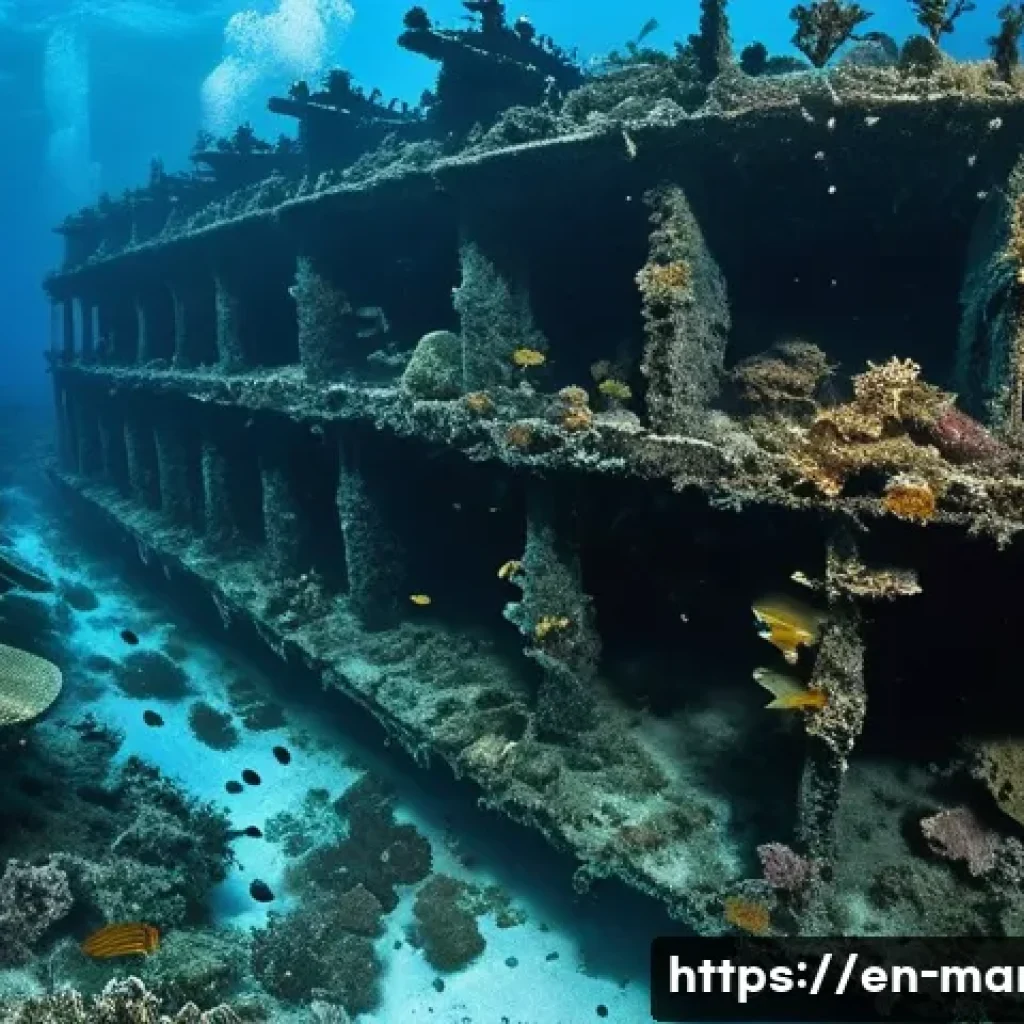
The sensation of finning through the passageways of a sunken ship, seeing beds still mounted to the “ceiling” in an upside-down wreck, or discovering torpedoes still sitting in their tubes, is truly unlike anything else.
It feels like you’re an explorer in a lost world, touching artifacts that haven’t seen the light of day in decades. But let me tell you, this kind of diving demands respect and proper preparation.
Visibility can change in an instant, especially inside wrecks, due to disturbed sediment, which is why having backup lights and a reel with a guide line is absolutely essential.
I always recommend practicing specialized finning techniques and mastering buoyancy control to avoid kicking up silt. It’s not just for your safety, but for the experience of your dive buddies and the preservation of the wreck itself.
Remember, these are delicate historical sites, and we want them to be enjoyed by future generations.
Personal Encounters with Maritime History
Every dive on these wrecks offers a deeply personal connection to the past. I’ve found myself pausing mid-fin, torch beam cutting through the gloom, just staring at a gas mask hanging on a hook or a mess kit still waiting for a meal.
These aren’t just objects; they’re echoes of lives once lived, stories untold. On one dive, exploring a Japanese cargo ship in Kwajalein, I spotted what looked like a closet full of torpedoes through an open hatch.
That moment sent shivers down my spine – the immediate proximity to such immense historical power. Then there’s the Prinz Eugen, a German heavy cruiser given to the US after WWII that eventually sank in Kwajalein.
Diving her massive, upside-down hull, seeing her enormous propellers, and navigating her interior with its scattered chairs, tables, and generators feels like an archaeological expedition.
It’s humbling, making you reflect on the human stories intertwined with these colossal structures. These are not just dives; they’re meditations on history, survival, and the profound power of the ocean to both destroy and preserve.
Life Flourishes: Reefs Reborn from Relics
Vibrant Ecosystems Amidst the Rust
It’s easy to focus solely on the history of these sunken behemoths, but what consistently blows my mind is the vibrant life that now thrives on and around them.
These wrecks, once instruments of war, have been completely reclaimed by nature, transforming into bustling artificial reefs. I’ve witnessed countless species of fish darting in and out of gun turrets, anemones waving their sticky arms from the deck of a battleship, and brilliantly colored corals encrusting every available surface.
Reef sharks are almost constant companions, gracefully patrolling the perimeter, joined by silvertips, eagle rays, and even the occasional tiger shark in the deeper channels.
The sheer biodiversity is astounding – over a thousand species of fish and more than 250 types of coral call these waters home. It’s a powerful, beautiful paradox: instruments of destruction giving rise to breathtaking new ecosystems.
Guardians of the Deep: Conservation Efforts
The Marshall Islands aren’t just a diver’s dream; they’re also deeply committed to protecting their invaluable marine environment. In 2011, they declared one of the world’s largest shark sanctuaries, safeguarding over two million square kilometers of ocean.
Just recently, in early 2025, they announced a new marine protected area covering 48,000 square kilometers around Bikar and Bokak atolls, specifically to protect a massive shark population and the nation’s largest green turtle nesting colony.
This dedication to conservation makes diving here even more special, knowing that the pristine conditions aren’t just luck, but the result of deliberate, culturally informed efforts.
As divers, we play a crucial role too. It’s about respecting the historical and cultural heritage of these sites and behaving as if we’re visiting an underwater museum, remembering to “take only pictures and leave only bubbles.”
| Wreck Dive Destination | Key Attractions | Diver Level Recommended | Best Diving Season |
|---|---|---|---|
| Bikini Atoll | USS Saratoga, HIJMS Nagato, USS Arkansas; Ghost Fleet of WWII nuclear tests. | Technical Diver (Advanced Nitrox, Decompression Procedures, Tec 50 equivalent) | May to October (calm conditions, excellent visibility) |
| Kwajalein Atoll | WWII Japanese cargo ships, over 100 American WWII planes (Airplane Graveyard), Prinz Eugen. | Recreational to Technical (some shallower aircraft for less experienced, deeper wrecks require advanced) | January to April (drier, minimal rainfall, good visibility) |
| Majuro Lagoon / Arno Atoll | Sunken plane (DC3), helicopter, ship for recreational divers; thriving coral reefs and marine life. | Recreational Diver | Year-round (warm water), May to October (calm seas, best visibility) |
Planning Your Unforgettable Underwater Expedition
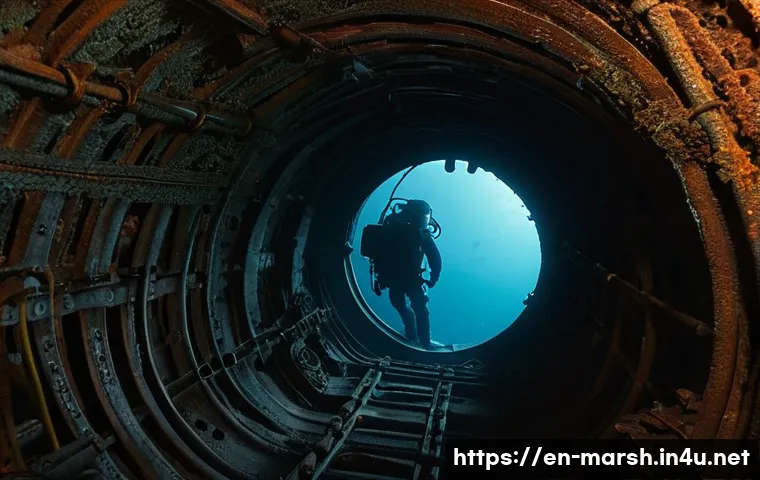
Essential Gear and Training for Wreck Diving
If you’re dreaming of experiencing these historical underwater wonders for yourself, careful preparation is absolutely non-negotiable. Wreck diving, especially penetration diving into the interior of these colossal vessels, demands specific skills and equipment.
First and foremost, proper training is paramount. Don’t even *think* about penetrating an overhead environment unless you’ve got the right certification, like an SDI Wreck Diver Specialty or even a TDI Advanced Wreck Diver for the more technical stuff.
These courses teach you how to recognize and manage the unique hazards of wreck diving – things like entanglement, razor-sharp edges, unstable structures, and silt-outs.
Beyond training, your gear needs to be top-notch and, frankly, redundant. I never dive a wreck without a primary and backup light, multiple cutting devices, a reel with a guide line (and a backup!), and a surface marker buoy (SMB).
For deeper dives, enriched air (Nitrox) can significantly extend your no-decompression limits, giving you more bottom time to explore these incredible sites.
And for the truly deep, challenging wrecks like many in Bikini Atoll, technical certifications with Normoxic Trimix are often a minimum prerequisite. It’s not about being a daredevil; it’s about being smart, prepared, and respecting the environment and the inherent risks.
Trust me, the extra effort in training and gear makes every moment underwater safer and infinitely more rewarding.
Navigating Logistics and Local Regulations
Getting to a place as remote and historically significant as the Marshall Islands requires a bit of logistical savvy. The capital, Majuro, serves as the main hub, with flights typically arriving via United Airlines from Honolulu.
From there, you might need domestic flights or boat charters to reach outer atolls like Bikini or Arno. One crucial thing to remember for the Marshall Islands is the dive permit – you’ll need to obtain a $50 permit, good for a year, from the Historic Preservation Office in Majuro.
For certain atolls like Bikini and Wotje, there might be additional fees or specific contact requirements with local governments. When it comes to the best time to visit, the diving season generally runs from May to October, offering calm conditions and outstanding water clarity, though year-round diving is possible.
Water temperatures are consistently warm, hovering between 27 and 30°C (80-86°F), so a 3mm wetsuit is usually sufficient. For Bikini Atoll specifically, liveaboard expeditions are the common way to experience the Ghost Fleet, with trips often ranging from 10 to 13 nights.
These trips can be an investment, with prices starting from around US$4,900 for an 11-night itinerary, but the unparalleled experience is, in my opinion, priceless.
Always check with dive operators like Marshalls Dive Adventures or Raycrew for the latest information on schedules, pricing, and specific requirements, as these remote destinations can have unique logistical challenges.
Responsible Exploration: Protecting Our Underwater Heritage
The Diver’s Role as Guardian of History
Diving these historical wrecks isn’t just about personal adventure; it comes with a profound responsibility to protect our shared underwater heritage.
These sites are essentially underwater museums, delicate time capsules that tell stories of the past. It’s absolutely vital that we, as divers, understand and embrace our role as their guardians.
This means leaving everything exactly as we find it – no touching, no moving, and certainly no taking souvenirs. Even seemingly minor disturbances can have a detrimental impact, exposing artifacts to elements that accelerate their decay.
I’ve seen divers, sometimes unknowingly, cause damage by not maintaining proper buoyancy, accidentally brushing against fragile structures or stirring up silt.
It’s a habit we all need to actively cultivate.
Contributing to Conservation and Awareness
Beyond simply “leaving no trace,” we have an opportunity to actively contribute to the preservation of these sites. Supporting dive operators who prioritize conservation and work with local authorities, like the Historic Preservation Office in the Marshall Islands, is a great start.
Many marine archaeology efforts today focus on non-intrusive survey methods, documenting and mapping sites without removing artifacts, to preserve their integrity for future study.
By sharing our experiences responsibly, and emphasizing the importance of respect and conservation, we inspire others to do the same. Imagine a world where these incredible underwater ruins are not only explored but cherished and protected by a global community of passionate divers.
That’s the future I’m working towards, one dive at a time.
Wrapping Up Our Dive into History
Whew, what an incredible journey we’ve shared, right? From the chilling depths of Bikini Atoll to the tranquil, life-filled planes of Kwajalein, the Marshall Islands truly offer a diving experience that transcends the ordinary. It’s more than just exploring wrecks; it’s about touching history, witnessing nature’s powerful reclamation, and feeling that undeniable connection to a past that shaped our present. Every fin kick, every silent moment spent gazing upon these sunken giants, is a reminder of the profound stories the ocean holds. I hope this glimpse into my own adventures has sparked something within you, a desire to explore these unique underwater museums and perhaps, even find your own personal connection to their incredible tales. It’s a dive that stays with you, long after you’ve surfaced.
Useful Information to Know
1. Comprehensive Dive Insurance is a Must-Have: Trust me on this one, planning any remote diving expedition, especially one involving deep wreck penetration, absolutely necessitates robust dive insurance. Medical facilities in remote locations like the Marshall Islands can be minimal, and in the unlikely event of a diving emergency requiring specialized treatment or evacuation, the costs can be astronomical. Having a plan in place, with coverage for hyperbaric treatments and emergency transport, provides immense peace of mind. It’s not just a recommendation; it’s an essential layer of safety for both you and your loved ones, ensuring that your adventure remains a joy and not a potential financial burden.
2. Book Liveaboards and Charters Well in Advance: Given the remote nature and the specialized type of diving available in certain atolls like Bikini, liveaboard spaces and reputable charter boats fill up incredibly quickly. These aren’t your typical mass-tourism destinations, and availability is often limited. I’ve heard countless stories of divers missing out because they waited too long, especially for peak season trips (May to October offers the calmest conditions and best visibility). Planning at least 6-12 months ahead for these sought-after expeditions isn’t an exaggeration; it’s a strategic move to secure your spot on an unforgettable journey. Communicate directly with operators like Marshalls Dive Adventures or Raycrew to understand their schedules and booking requirements.
3. Respect Local Culture and Environmental Regulations: The Marshall Islands are not just a diving destination; they are a sovereign nation with a rich culture and deep reverence for their marine environment. As visitors, it’s paramount we act as respectful guests. This extends beyond not touching wrecks or marine life to understanding local customs, being mindful of noise levels, and supporting local businesses responsibly. The government has made significant strides in conservation, including declaring large shark sanctuaries, so adhering to all local dive regulations and permit requirements (like the $50 Historic Preservation Office permit) is non-negotiable. Your choices directly impact the sustainability of these pristine environments and the well-being of the local communities. It’s about being an eco-conscious traveler who leaves a positive footprint.
4. Master Your Buoyancy and Finning Techniques: For wreck diving, especially when navigating delicate interiors or silty environments, unparalleled buoyancy control and specialized finning techniques are your best friends. Accidental contact with a fragile part of a wreck can cause irreversible damage, or worse, stir up sediment, reducing visibility to zero in an instant. Practicing skills like the frog kick or helicopter turn before your trip will minimize disturbance and make your dives safer and more enjoyable for everyone. Remember, these wrecks are historical artifacts and thriving ecosystems; maintaining perfect trim and avoiding contact is fundamental to their preservation. It transforms you from a mere observer into a responsible underwater explorer.
5. Redundant Equipment is Not Optional, It’s Essential: When exploring overhead environments or deeper wrecks, the gear you carry needs to be meticulously checked and, where possible, redundant. Think primary and backup lights, multiple cutting tools, and at least one reel with a guide line. A spare mask and even an extra dive computer are smart additions to your kit. The remoteness of the Marshall Islands means that access to emergency equipment or repairs can be severely limited. Investing in high-quality, reliable gear and having backups for critical items significantly enhances your safety margin and overall confidence, allowing you to focus on the incredible experience unfolding around you rather than equipment worries.
Key Takeaways
Diving in the Marshall Islands is an unparalleled blend of historical exploration and vibrant marine encounters, offering a unique journey into the past. It demands meticulous preparation, from advanced dive training and specialized, redundant equipment to navigating complex logistics like permits and remote travel. Crucially, every diver carries the responsibility of being a guardian of this underwater heritage, upholding strict conservation ethics to preserve these fragile sites for future generations. Embrace the adventure, respect the history, and protect the incredible ecosystems that have reclaimed these sunken giants, ensuring your expedition is both unforgettable and impactful.
Frequently Asked Questions (FAQ) 📖
Q: What exactly makes diving in the Marshall Islands such an unparalleled experience compared to other incredible dive destinations?
A: Oh, where do I even begin? When I first started researching, I thought it would be just another beautiful reef, but what I discovered completely blew me away.
The Marshall Islands, especially around Bikini Atoll, offer this mind-bending combination of pristine, vibrant marine ecosystems and some of the most historically significant World War II wrecks on the planet.
Imagine gliding through crystal-clear water, surrounded by countless fish and stunning corals, only to come face to face with a massive aircraft carrier like the USS Saratoga, or the legendary Japanese battleship HIJMS Nagato, resting silently on the seabed.
It’s not just a dive; it’s like stepping into a time capsule, where you can literally touch history. I’ve personally felt this incredible chill, a mix of awe and reverence, when hovering over these giants.
The sheer scale of these wrecks, often remarkably intact, and the dramatic stories they tell from pivotal moments in our past, make it an experience that truly transcends typical wreck diving.
Plus, the fact that these waters have seen minimal human interference for decades has allowed marine life to absolutely flourish, turning these sunken behemoths into thriving artificial reefs.
It’s a poignant, beautiful, and utterly unique journey that will stay with you long after you’ve surfaced.
Q: What specific historical relics and marine life can divers expect to encounter during a dive trip to the Marshall Islands?
A: Get ready for an absolute feast for your eyes and your history-loving heart! From my own dives there, the sheer variety is astonishing. In the famous Bikini Atoll, you’re looking at a veritable “ghost fleet” of incredible WWII ships that were purposefully sunk during nuclear tests.
We’re talking about the colossal USS Saratoga, the only diveable aircraft carrier in the world, stretching over 880 feet, with its flight deck at accessible depths and even planes still in its hangers!
Then there’s the iconic HIJMS Nagato, Admiral Yamamoto’s flagship, and other powerful vessels like the USS Arkansas and USS Lamson. These wrecks are often wonderfully preserved, offering glimpses of their original structure, from massive gun turrets to intricate gauges.
But here’s the kicker – these historical behemoths are now teeming with life! The wrecks are draped in beautiful soft and hard corals, creating vibrant habitats for enormous schools of glassfish, marbled groupers, and coral trout.
And the sharks! Oh, the sharks are everywhere. I’ve personally encountered numerous grey reef sharks, silvertips, blacktips, and even whitetips.
These waters are part of one of the world’s largest shark sanctuaries, so it’s a genuinely thriving ecosystem. Beyond the famous wrecks, you’ll find healthy reef systems around Majuro and Arno Atolls, boasting over 800 species of fish and more than 160 types of coral, alongside majestic eagle rays and sea turtles.
It’s truly a living museum beneath the waves.
Q: Is diving in the Marshall Islands suitable for all diving skill levels, or are there particular challenges one should be aware of?
A: That’s a super important question for anyone planning a trip! Speaking from my own experience and observations, the Marshall Islands offers a range of diving, but you definitely need to match your expectations with your skill set.
For the truly iconic wreck dives at Bikini Atoll, you’re looking at some pretty serious stuff. These deep wrecks, like the USS Saratoga, often require advanced or even technical diving certifications, including decompression training.
The depths can be significant, and you need to be comfortable with extended bottom times and the logistics of technical diving. It’s not a place for a beginner, and dive operators are quite strict about certifications for good reason – safety first, always!
However, don’t let that deter you if you’re a recreational diver! There are fantastic opportunities around Majuro and Arno Atolls with shallower wrecks, vibrant coral gardens, and teeming reef life that are perfect for open water and advanced open water divers.
These sites offer excellent visibility and comfortable water temperatures year-round. My advice is to honestly assess your experience, consider getting additional training if the deeper wrecks are calling your name, and always go with reputable dive operators who prioritize safety and have extensive local knowledge.
Planning is key, but the reward, whether you’re exploring a shallow reef or a deep historical wreck, is absolutely priceless.