Lately, the spotlight on marine biodiversity has intensified, and rightly so—our oceans hold mysteries that continue to amaze even seasoned explorers.

The Marshall Islands, often overlooked on the travel map, are emerging as a sanctuary for some of the rarest marine species on Earth. If you think you’ve seen it all beneath the waves, think again.
Join me as we dive into this underwater treasure trove where vibrant coral reefs and elusive creatures paint a picture of nature’s hidden wonders. This journey promises not just discovery but a deeper appreciation for ocean conservation efforts gaining momentum worldwide.
Stick around—you won’t want to miss these astonishing finds!
Hidden Gems of the Ocean: Unveiling Rare Marine Life in the Marshall Islands
Silent Wanderers of the Deep
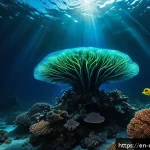
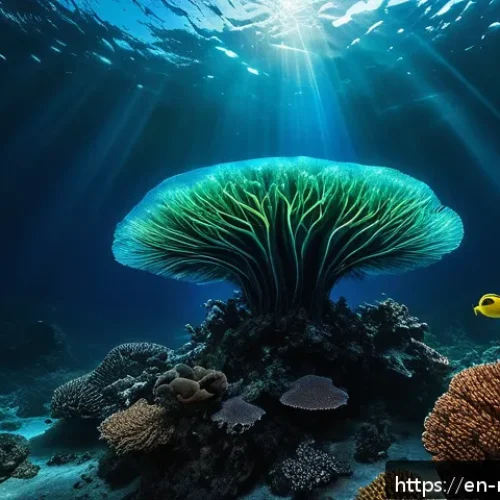
The Marshall Islands’ vast ocean depths harbor species that rarely grace the eyes of divers and researchers alike. One of the most fascinating aspects of this region is the presence of elusive deep-sea creatures that drift silently through the darkness.
These animals have adapted to life in extreme pressure and near-total darkness, developing bioluminescence or unique body structures that seem almost otherworldly.
Encountering them feels like stepping into a sci-fi movie, where every flicker of light in the abyss tells a story of survival and adaptation. My own dive into these shadowy waters revealed the incredible diversity hidden beneath what appears to be a tranquil surface, sparking a deep respect for the resilience of life in such harsh conditions.
Masters of Camouflage and Deception
If you think you know what it means to blend in, the marine inhabitants here will challenge your assumptions. From flatfish that mimic the sand to octopuses that shift colors and textures in the blink of an eye, the art of disguise is taken to a whole new level.
Watching these creatures in action is like witnessing a live magic show, where survival hinges on the perfect illusion. I once spent nearly an hour observing a mimic octopus, marveling at how it could transform itself into a completely different species to confuse predators and prey alike.
This kind of natural trickery is not only a defense mechanism but also a testament to the evolutionary creativity thriving in these waters.
Guardians of the Reef Ecosystem
Beyond their mysterious appearances, many of these rare species play crucial roles in maintaining the health of the coral reefs that surround the islands.
Certain fish and invertebrates act as cleaners, removing parasites and dead skin from other marine animals, which keeps the reef community thriving. Others contribute to the delicate balance by controlling algae growth or recycling nutrients.
Observing this intricate web of interactions during snorkeling trips left me amazed at how each species, no matter how small or unusual, contributes to a larger ecological symphony.
This delicate balance highlights why conservation efforts here are not just about protecting individual species but preserving entire ecosystems.
The Enigmatic Coral Gardens: More Than Just Colorful Rocks
Architects of Biodiversity
The coral formations in the Marshall Islands are not just stunningly vibrant structures; they are living cities bustling with activity. Corals create the very framework that supports countless marine species, making these gardens a hotspot of biodiversity.
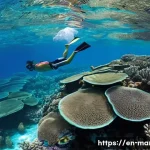
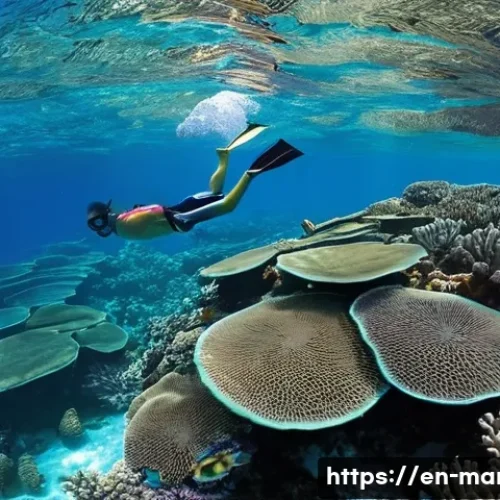
From tiny crustaceans to large predatory fish, the reef’s architecture provides shelter, breeding grounds, and hunting territories. During one extended snorkeling session, I was fascinated by how each coral type contributed differently to the ecosystem’s complexity.
Branching corals offered hiding places for small fish, while massive boulder corals formed barriers against strong currents. This structural diversity directly influences the richness of marine life, making coral health paramount to the overall vitality of the ocean.
Coral Resilience and Threats
Despite their importance, coral reefs face unprecedented threats from climate change, pollution, and human interference. What I found particularly inspiring about the reefs in the Marshall Islands is their surprising resilience.
Some areas have shown remarkable recovery after bleaching events, thanks to local conservation programs and natural factors like water currents and temperature variations.
However, this resilience is fragile, and continued efforts are essential. Witnessing the delicate dance between coral vulnerability and strength firsthand underscored for me how every small action—whether reducing plastic waste or supporting marine protected areas—can tip the balance in favor of these underwater gardens.
Table: Key Coral Species and Their Ecological Roles
| Coral Species | Physical Characteristics | Ecological Role | Resilience Factors |
|---|---|---|---|
| Staghorn Coral (Acropora cervicornis) | Branching, fast-growing | Provides shelter for juvenile fish | Rapid growth aids quick recovery |
| Brain Coral (Diploria labyrinthiformis) | Massive, dome-shaped | Stabilizes reef structure | Thick skeleton resists storm damage |
| Elkhorn Coral (Acropora palmata) | Large, flattened branches | Forms reef barriers against waves | Vulnerable but benefits from protected zones |
| Plate Coral (Agaricia agaricites) | Flat, plate-like layers | Supports diverse invertebrate communities | Adapts to varying light levels |
Unseen Marvels: Creatures That Defy Expectations
Ghostly Rays and Their Silent Grace
One of the most mesmerizing sights beneath the Marshall Islands’ surface is the ghostly movement of manta and eagle rays. These giants glide effortlessly through the water, their wings spanning meters as they navigate the currents with astonishing grace.
What struck me during a night dive was how these rays appeared almost ethereal under the glow of underwater lights, their movements slow but deliberate.
They are not just beautiful to watch; they play a vital role in controlling populations of smaller fish and invertebrates, maintaining the balance within their habitats.
Encountering them up close leaves a lasting impression of the ocean’s elegance and complexity.
The Secret Lives of Reef Sharks
Contrary to their often-feared reputation, the reef sharks in this region exhibit fascinating behaviors that reveal their importance in the ecosystem.
These predators help regulate species diversity by preying on weaker or sick individuals, which ultimately strengthens the reef community. I had the chance to observe a group of blacktip reef sharks during daylight hours, noting their cautious yet curious nature around divers.
Their presence is a sign of a healthy reef, and their interactions with other marine life provide insight into the delicate food webs operating just beneath the waves.
Colorful Guardians: The Role of Cleaner Fish
Cleaner fish, such as wrasses and gobies, perform an unsung service by removing parasites from other fish, a behavior that benefits both parties. Watching this mutualistic relationship unfold is like witnessing a tiny ecosystem of its own, full of communication and trust.
During snorkeling adventures, I often found myself returning to cleaning stations where these little fish busily worked, knowing that their efforts keep the reef inhabitants healthy and vibrant.
This simple yet vital interaction highlights the interconnectedness of marine life, reminding us that even the smallest creatures have outsized impacts.
Marine Conservation in Action: Protecting a Fragile Wonderland
Community-Led Initiatives
One of the most encouraging aspects of marine conservation in the Marshall Islands is the active involvement of local communities. Far from being passive observers, residents have taken ownership of protecting their natural heritage through sustainable fishing practices, reef monitoring, and education programs.
I had the privilege of meeting several local conservationists whose passion for the ocean was infectious. Their firsthand knowledge and commitment are crucial in bridging scientific research with practical, culturally appropriate solutions that ensure long-term success.
Technology Meets Tradition
Innovative technologies are being combined with traditional knowledge to monitor and protect marine biodiversity effectively. From satellite tracking of fishing boats to underwater drones surveying reef health, these tools provide unprecedented data that inform better management decisions.
Yet, what impressed me the most was how this modern approach respects and incorporates centuries-old wisdom about seasonal fish migrations and reef stewardship.
This synergy creates a powerful framework for conservation that honors both the past and future.
Global Implications and Local Hope
The efforts underway in the Marshall Islands serve as a microcosm for global ocean conservation challenges and solutions. Protecting these rare species and habitats is not just a local priority but a responsibility shared by the international community.
My visits to marine protected areas here reinforced the idea that progress is possible when science, policy, and local action align. It’s a hopeful message amid widespread environmental concerns, showing that dedicated efforts can preserve the ocean’s wonders for generations to come.

The Vibrant Dance of Reef Life: Interactions That Shape the Ecosystem
Predator-Prey Dynamics
The intricate dance between predators and their prey is a cornerstone of the reef’s ecological balance. In the Marshall Islands, this relationship is vividly on display with species like groupers hunting smaller fish and crustaceans, while prey species employ various escape and defense tactics.
Observing these encounters firsthand was a thrilling experience that brought to life the raw intensity of survival beneath the waves. These interactions keep populations in check and promote genetic diversity, making them essential to ecosystem health.
Symbiotic Relationships Beyond Cleaning
Symbiosis extends well beyond cleaning behaviors, involving partnerships that benefit both coral and fish species. For example, certain gobies protect corals from harmful algae by grazing on their surfaces, while some anemonefish defend their host anemones from predators.
Witnessing these relationships unfold during dives revealed a complex network of mutual reliance that sustains the reef environment. It’s a vivid reminder that cooperation is as vital in nature as competition.
Reproductive Strategies and Survival
The survival of rare species hinges on successful reproduction, and the Marshall Islands’ marine life employs a range of fascinating strategies. Some species release eggs and sperm into the water column simultaneously, relying on currents for fertilization, while others guard their young fiercely.
I was particularly captivated by the elaborate mating dances of certain fish, which combine vibrant colors and intricate movements to attract partners.
These behaviors not only ensure species continuity but also add a dynamic layer to the reef’s visual spectacle.
Exploring the Uncharted: Opportunities for Divers and Researchers
Untouched Dive Sites
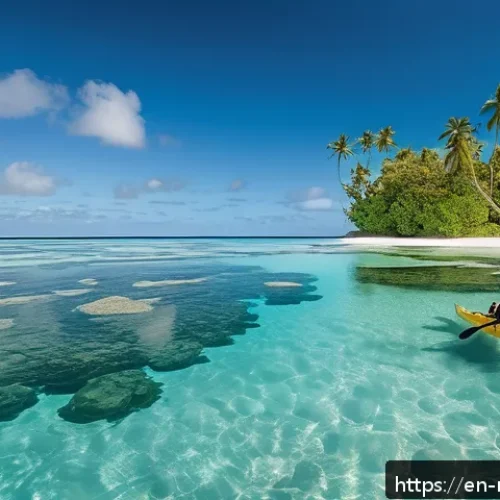
Many dive spots in the Marshall Islands remain relatively unexplored, offering a sense of adventure rarely found elsewhere. Diving here feels like being among the first humans to set eyes on pristine underwater landscapes, teeming with life yet untouched by mass tourism.
During my dives, I discovered hidden caves, towering coral walls, and unexpected encounters with rare species, making every moment exhilarating. For divers craving new frontiers, this region is a treasure chest waiting to be opened.
Scientific Discoveries and Ongoing Research
The islands serve as a living laboratory where marine biologists continue to uncover new species and behaviors. Recent expeditions have documented previously unknown fish and invertebrates, expanding our understanding of ocean biodiversity.
Collaborations between local and international researchers create a vibrant scientific community committed to unraveling the mysteries of these waters.
Being part of or witnessing such research efforts adds a layer of excitement and purpose to every visit.
Balancing Tourism and Preservation
As interest in the Marshall Islands grows, so does the challenge of balancing tourism with conservation. Responsible diving and snorkeling practices, along with eco-friendly accommodations, are increasingly emphasized to minimize human impact.
From my perspective, experiencing this delicate balance firsthand highlights the importance of mindful travel. Supporting local conservation initiatives while enjoying the natural beauty ensures that these underwater wonders remain vibrant for future explorers.
The Role of Education in Sustaining Marine Richness
Empowering the Next Generation
Education programs in the Marshall Islands focus heavily on empowering youth to become stewards of their marine environment. Schools and community centers incorporate hands-on activities such as reef monitoring and beach cleanups, fostering a sense of connection and responsibility.
I was heartened to see young people eager to learn and contribute, knowing that their actions will shape the islands’ ecological future. This grassroots approach is vital for long-term conservation success.
Global Awareness Through Storytelling
Sharing the stories of the Marshall Islands’ marine life and conservation efforts plays a crucial role in raising global awareness. Documentaries, social media, and personal narratives bring these underwater worlds into the homes of millions, inspiring support and action.
Through my own storytelling, I’ve witnessed how vivid descriptions and authentic experiences can spark curiosity and empathy, motivating others to care about ocean preservation.
This ripple effect amplifies the impact of local efforts on a worldwide scale.
Bridging Science and Culture
Successful education blends scientific knowledge with cultural traditions, creating a holistic understanding of the ocean’s value. In the Marshall Islands, this means honoring ancestral practices while integrating modern ecological concepts.
This approach respects the identity of the community and strengthens the relevance of conservation messages. From participating in cultural ceremonies to attending scientific workshops, I saw how this blend enhances both learning and commitment to protecting marine biodiversity.
In Conclusion
The Marshall Islands reveal an extraordinary marine world filled with rare species and vibrant ecosystems that continue to inspire awe and respect. Experiencing these underwater wonders firsthand highlights the urgent need for ongoing conservation efforts. By understanding and protecting these hidden gems, we ensure that future generations can also marvel at this living ocean treasure.
Useful Information to Remember
1. The Marshall Islands host unique deep-sea creatures adapted to extreme ocean conditions, offering rare diving experiences.
2. Camouflage and mimicry among marine species here demonstrate remarkable evolutionary strategies for survival.
3. Coral reefs in this region are vital to biodiversity and require active protection against climate threats.
4. Local communities play a key role in conservation through traditional knowledge combined with modern technology.
5. Responsible tourism and education are essential to sustaining the fragile marine ecosystems of the islands.
Key Takeaways
Marine biodiversity in the Marshall Islands is rich but vulnerable, relying heavily on coral reef health and balanced predator-prey relationships. Conservation success depends on community engagement, scientific research, and mindful tourism practices. Protecting this underwater paradise requires a holistic approach that respects both ecological complexity and cultural heritage, ensuring the ocean’s resilience well into the future.
Frequently Asked Questions (FAQ) 📖
Q: uestionsQ1: What makes the marine biodiversity in the Marshall Islands so unique compared to other ocean regions?
A: The Marshall Islands boast an extraordinary variety of marine life due to their remote location and pristine coral reef ecosystems. These reefs serve as habitats for rare species not commonly found elsewhere, including some endangered fish and vibrant corals that thrive in relatively untouched waters.
Having snorkeled and dived there myself, I was amazed by how clear the water was and how many unusual creatures I encountered, from colorful reef sharks to elusive nudibranchs.
This unique biodiversity is a testament to the islands’ healthy marine environment, which remains less impacted by human activity than many other popular dive destinations.
Q: How are conservation efforts in the Marshall Islands helping protect these rare marine species?
A: Conservation in the Marshall Islands has ramped up significantly in recent years, combining traditional community stewardship with modern marine protection strategies.
Local initiatives include establishing marine protected areas (MPAs) where fishing is limited or banned, allowing fragile ecosystems to recover. International partnerships also support monitoring and research programs that track species health and coral reef conditions.
From what I’ve observed, these efforts are crucial because they not only preserve biodiversity but also support local livelihoods dependent on sustainable fishing and eco-tourism.
The growing awareness and involvement of island communities make the conservation work particularly effective.
Q: What can travelers do to experience and support marine biodiversity conservation in the Marshall Islands?
A: Visitors to the Marshall Islands can make a positive impact by choosing eco-friendly tours and dive operators who prioritize sustainable practices. This means avoiding activities that damage coral reefs or disturb wildlife, such as anchoring on reefs or touching marine creatures.
Participating in guided snorkeling or diving trips led by knowledgeable locals enriches the experience and helps fund conservation programs. Personally, I found that engaging with local conservation groups and even volunteering for beach clean-ups during my stay deepened my appreciation for the delicate marine environment.
Supporting local businesses that invest in preserving the ocean is one of the best ways travelers can contribute while enjoying the underwater wonders.